
Yes—and here is how they do it. Small gaps between teeth are more common than you might think. Some people barely notice them. Others feel self-conscious every time they smile. The great news is that porcelain veneers in West Kelowna offer a reliable, natural-looking way to close those gaps—without braces or lengthy orthodontic treatment.
If you have been wondering whether veneers are the right solution for your smile, this guide breaks it all down in simple, easy-to-follow language.
What Causes Small Gaps Between Teeth?
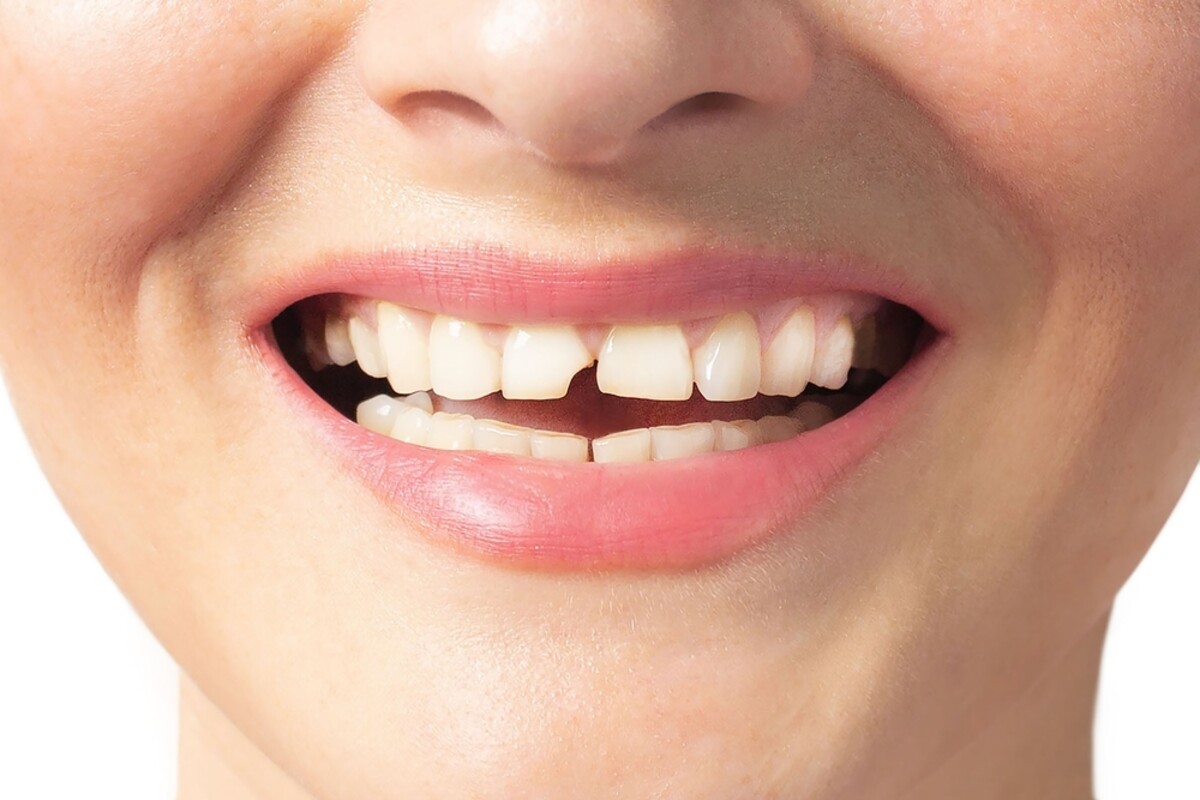
Gaps between teeth—known in dentistry as diastema—can develop for several reasons.
Common causes include:
- Teeth that are naturally smaller than the jaw space available
- A large labial frenum — the small tissue flap between your two front teeth
- Childhood thumb-sucking habits that shifted teeth over time
- Gum disease that caused teeth to drift
- Simply genetics—some families just have more spacing naturally
For small to moderate gaps, porcelain veneers near you can be a straightforward cosmetic fix. For larger gaps or bite issues, your dentist may recommend a combination of treatments.
If you are considering this option, visiting a trusted dental clinic in West Kelowna for an assessment is the best place to start. Your dentist will examine your teeth, gums, and bite to determine whether veneers alone can achieve the result you are hoping for.
How Do Porcelain Veneers Close Gaps?
Porcelain veneers are very thin shells—usually about 0.5 to 1 millimetre thick—that are bonded to the front surface of your teeth.
To close a gap, the veneer is made slightly wider than your natural tooth. When it is bonded in place, that extra width fills in the space on one or both sides of the gap. Done well, the result looks completely natural and proportional.
The key is precision. Your dentist designs each veneer carefully so the size, shape, and colour all work together. When the proportions are right, no one can tell veneers were used at all—they just see a beautiful, even smile.
Step-by-Step Process
Here is the process of getting veneers:
Consultation & Smile Evaluation
You will meet with your dentist, who will assess any spacing you have and take X-rays to view your smile goals. Your dentist will look at the state of your teeth and gums and ensure they are healthy for veneers, discussing realistic results for your situation.
Tooth Preparation
A very thin layer of enamel—usually less than 1 millimetre—is gently removed from the front of each tooth receiving a veneer. This creates space for the veneer to sit flush with your surrounding teeth. A local anesthetic is used, so this step is comfortable for most patients.
Impressions & Lab Work
Impressions or digital scans of your teeth are taken and sent to the dental laboratory. A dental technician then custom-fabricates your veneers according to the precise specifications planned by your dentist.
Temporary Veneers
While you wait — usually one to two weeks — temporary veneers are placed to protect your teeth and give you a preview of your new smile.
Bonding
When your permanent veneers arrive, your dentist checks the fit and colour carefully. Once both of you are happy, they are permanently bonded to your teeth using a special dental adhesive and a curing light.
Final Checks
Your bite is carefully checked, and small adjustments are made if needed. The veneers are polished to a smooth, natural finish.
Are Porcelain Veneers Better Than Braces for Closing Gaps?
This is one of the most common questions patients ask. The honest answer is—it depends.
Here is a simple comparison:
| Factor | Porcelain Veneers | Braces or Aligners |
| Treatment time | 2 to 3 weeks | 6 to 24 months |
| Invasiveness | Minimal enamel removal | No enamel removal |
| Result | Immediate cosmetic improvement | Moves actual teeth |
| Best for | Small to moderate gaps | Large gaps or bite problems |
| Durability | 10 to 15+ years with care | Permanent if retained |
| Appearance change | Colour and shape also improved | Shape and colour unchanged |
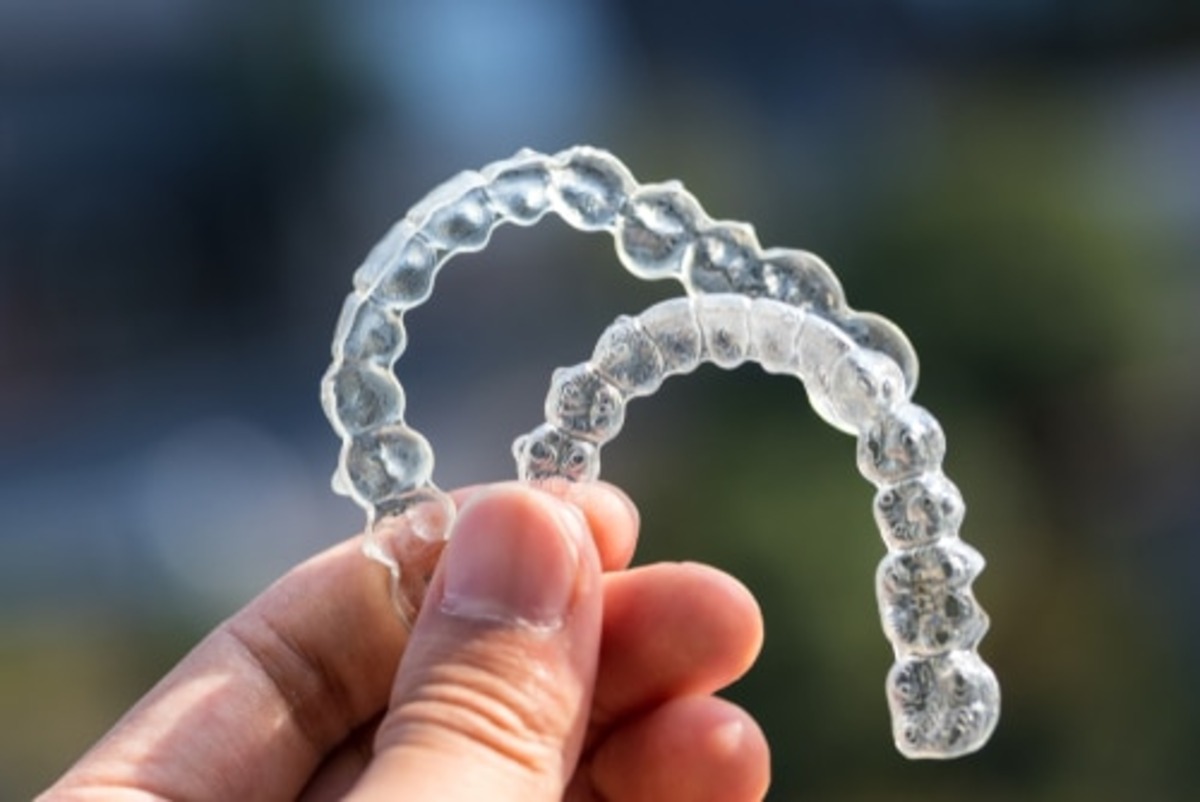
Veneers work beautifully for small gaps where the underlying bite is healthy. If the gap is caused by a bite problem or is very wide, your dentist at a dental clinic near you may suggest orthodontic treatment first, or alongside veneers.
What Makes Someone a Good Candidate for Veneers?
Not everyone is the right fit for porcelain veneers. Your dentist will look for the following before recommending them:
You are likely a good candidate if:
- Your gaps are small to moderate in size
- Your gums and teeth are in good overall health
- You do not grind your teeth heavily
- You are looking for a faster cosmetic solution
- Your bite is relatively healthy
Veneers may not be the best option if:
- You have significant gum disease or active tooth decay
- The gap is caused by a serious bite misalignment
- You have very little enamel remaining on the affected teeth
- You are prone to heavy teeth grinding without a night guard.
An honest conversation with your dentist will quickly clarify which category you fall into.
How to Care for Veneers After the Gap Is Closed
Good habits keep your veneers looking great for years:
- Brush at least twice a day with a soft-bristle brush
- Floss at least once a day, taking care around the edges of your veneers
- Don’t bite on hard items, for example, pens, fingernails or hard sweets
- Wear a mouthguard if you grind your teeth
- Cut back on drinks such as tea, coffee and red wine
- Attend regular check-ups with your dentist.
Take the First Step Toward a Complete Smile — Brightside Smiles Is Here for You
Small gaps do not have to be a permanent part of your smile. Porcelain veneers are a well-proven, beautifully natural way to close them, and the process is simpler and more comfortable than most people expect.
At Brightside Smiles, the team is passionate about helping patients feel genuinely confident in their smiles. From your very first consultation to the moment you see your finished result, you will be guided with care, honesty, and expertise every step of the way. Book your smile consultation today — and take the first step toward the smile you have always wanted.
FAQs
Q1: How many veneers do I need to fix a gap in my teeth?
The quantity differs depending on the size and location of the gap. At times, it is sufficient to put two veneers on each side of the gap.
Q2: Will veneers make my teeth look too wide or unnatural?
Not when they are properly designed—a skilled dentist carefully plans the proportions so the final result looks completely natural and balanced with your face.
Q3: Can the gap come back after veneers are placed?
If the underlying cause of the gap—such as gum disease or a large frenum—is not addressed, shifting can occur over time, which is why a thorough assessment before treatment is so important.
Q4: Do porcelain veneers stain over time?
Porcelain is highly stain-resistant, but the bonding material at the edges can discolour with heavy exposure to coffee, tea, or red wine—regular cleanings help keep them looking their best.