
For a lot of people, just hearing of the root canal makes them a little nervously fidgety. Usually, we get this reaction from old stories or movies where we have to bear it. Nonetheless, everything has changed because of dental technology. Root canals are now comfortable experiences. The modern root canal stops physical pain and saves your natural tooth. You can turn that anxiety into confidence when you understand how it works.
Why You Might Need This Care
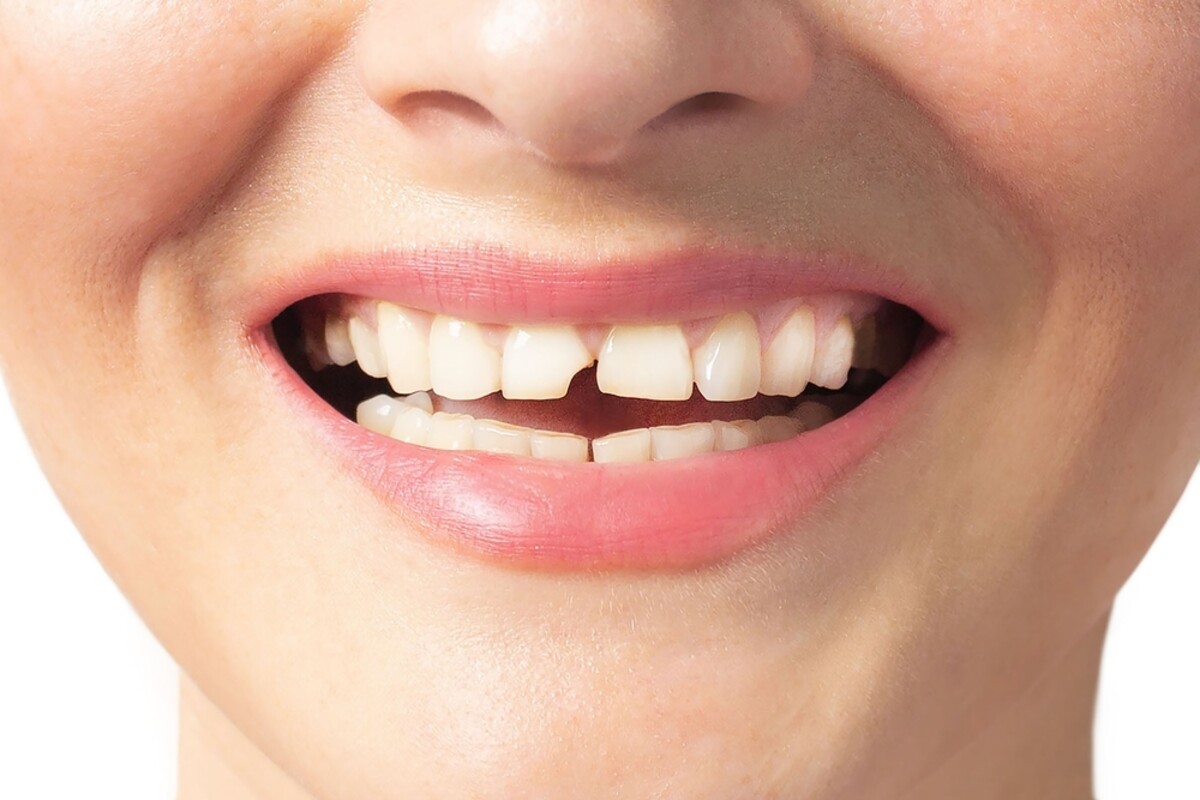
A root canal becomes necessary when the soft tissue inside your tooth, known as the pulp, becomes infected or inflamed. This can happen due to deep decay, repeated dental procedures on the tooth, or a crack or chip. When the pulp is damaged, it breaks down, and bacteria begin to multiply within the chamber.
If left untreated, this can lead to a painful abscess or even bone loss around the tip of the root. Choosing root canal therapy in West Kelowna allows you to keep your natural smile rather than opting for an extraction.
Comparing Old Methods vs. Modern Techniques
| Feature | Past Experience | Modern Treatment |
| Pain Management | Limited local freezing | Advanced numbing and sedation |
| Tools Used | Manual hand files | Precision rotary instruments |
| Imaging | Traditional 2D X-rays | Digital 3D imaging (CBCT) |
| Appointment Time | Multiple long visits | Often completed in one session |
The Steps of a Root Canal Procedure
The root canal procedure is very similar to getting a deep filling. Your comfort is the priority from the moment you sit in the chair.
- Examination and Imaging: The team uses digital X-rays to assess the canal shape and detect signs of infection in the surrounding bone.
- Numbing the Area: A local anesthetic is applied to ensure the area is completely numb. You should feel pressure at work, not pain.
- Cleaning the Tooth: A small opening is made in the tooth’s crown. Using specialized tools, the damaged pulp is removed, and the canals are cleaned and shaped.
- Sealing the Canals: Once the space is cleaned and disinfected, it is filled with a rubber-like material called gutta-percha.
- Restoration: A temporary filling is usually placed. Later, a permanent crown is added to protect the tooth and restore its full function.
Benefits of Saving Your Natural Tooth
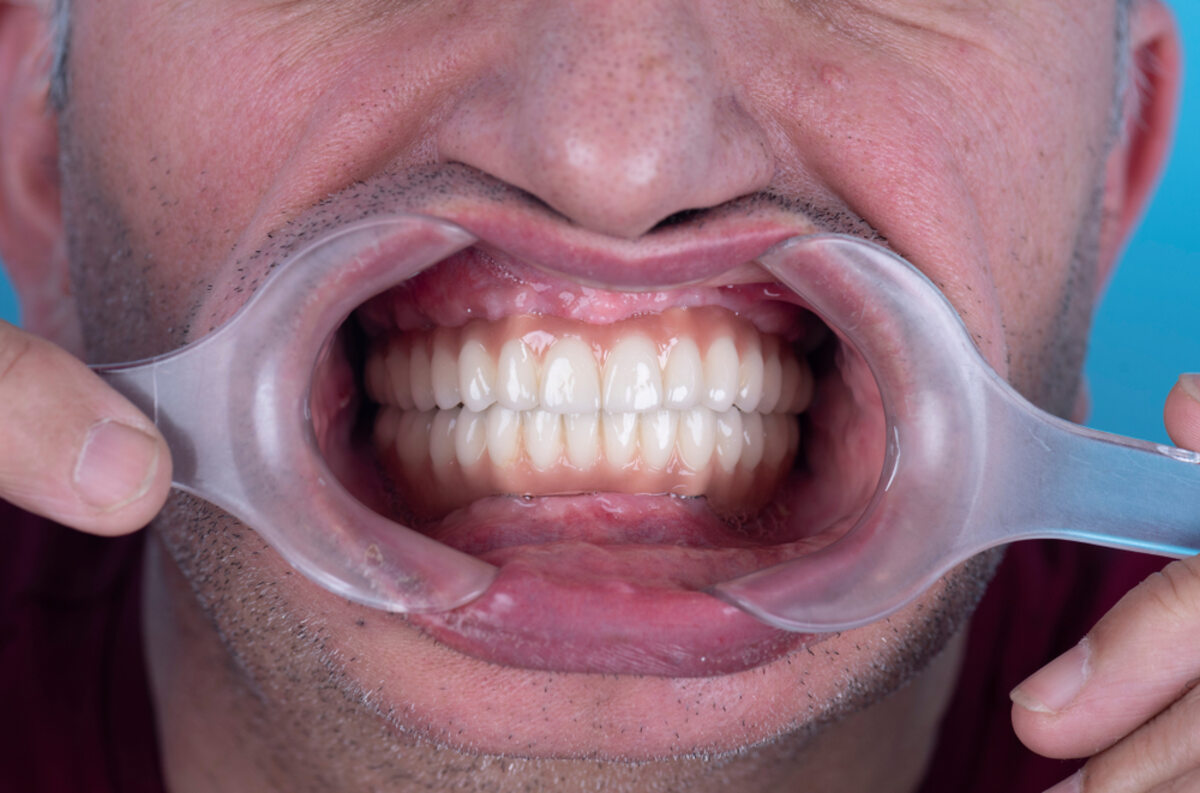
Many patients ask if they should pull the tooth instead. While implants are great, nothing beats your original tooth. Saving it helps maintain your natural bite, prevents other teeth from shifting, and keeps your jawbone healthy. If you are searching for root canal therapy near you, you are likely looking for a way to restore your oral health without losing your smile.
Finding a skilled dentist in West Kelowna ensures that the process is handled with precision. When you visit a dental clinic near you, you want to know that the team uses the latest tools to ensure a fast, effective experience.
Recovery and Aftercare
After the freezing wears off, your tooth might feel a bit sensitive for a few days. This is normal as your body heals. Most people can manage this with over-the-counter relief. You can return to your normal routine almost immediately, though it is best to avoid chewing on the treated tooth until the final crown is placed.
Conclusion
A root canal is not something to fear; it is a solution that brings relief. By choosing modern care, you protect your health and keep your smile intact for years to come. If you are experiencing tooth pain or sensitivity, it is time to take action.
Brightside Dental is here to provide gentle, professional care for your smile. We invite you to reach out to our team to discuss your dental health or to book an appointment today.
Frequently Asked Questions
Is a root canal a painful experience?
No, modern numbing techniques ensure you feel no pain. It feels very similar to getting a standard cavity filling done.
How long does the treatment usually take?
Most treatments are completed in one or two visits, lasting 60 to 90 minutes, depending on the case.
Can I eat normally after the procedure?
Wait until the numbness wears off to eat. Avoid hard foods on that tooth until your permanent crown is placed.
How long will my restored tooth last?
With proper brushing, flossing, and regular checkups, a tooth treated with a root canal can last a whole lifetime.
What happens if I skip the treatment?
The infection can spread to your jawbone, cause a painful abscess, or result in the total loss of the tooth.